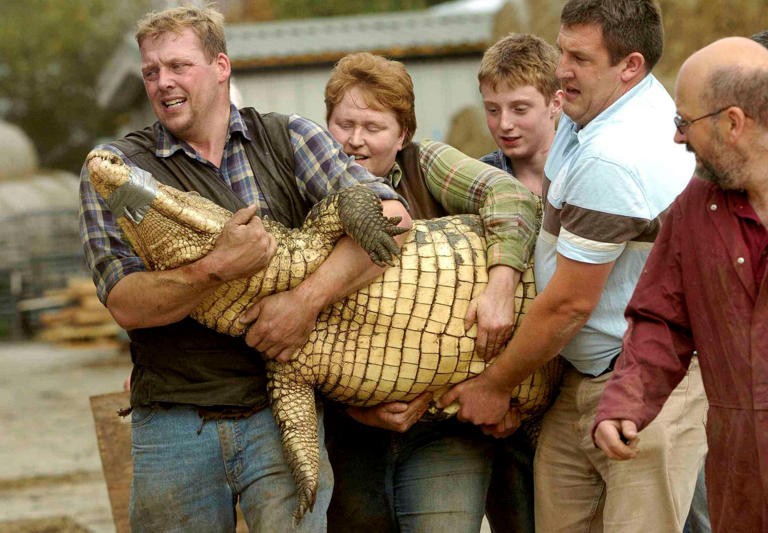
15 Fascinating Crocodile Facts You Probably Didn’t Know

Okay, we’ve all heard a lot about crocodiles lately — from shocking news stories to unbelievable discoveries — so I figured it was the perfect time to pull together some truly fascinating crocodile factoids. These creatures have been around since the age of dinosaurs, and the more you learn about them, the more incredible (and intimidating) they become.

During the Cretaceous period, around 240 million years ago, dinosaurs roamed the Earth alongside early crocodiles. These ancient reptiles are remarkable survivors, believed to have lived through the asteroid impact that wiped out the dinosaurs. With that kind of evolutionary résumé, it’s no wonder they’re still dominating headlines today.

Let’s dive into 15 surprising crocodile facts you probably didn’t know.

1. Crocodiles Are Living Dinosaurs

Crocodiles have existed for over 240 million years, surviving mass extinctions and dramatic climate shifts.
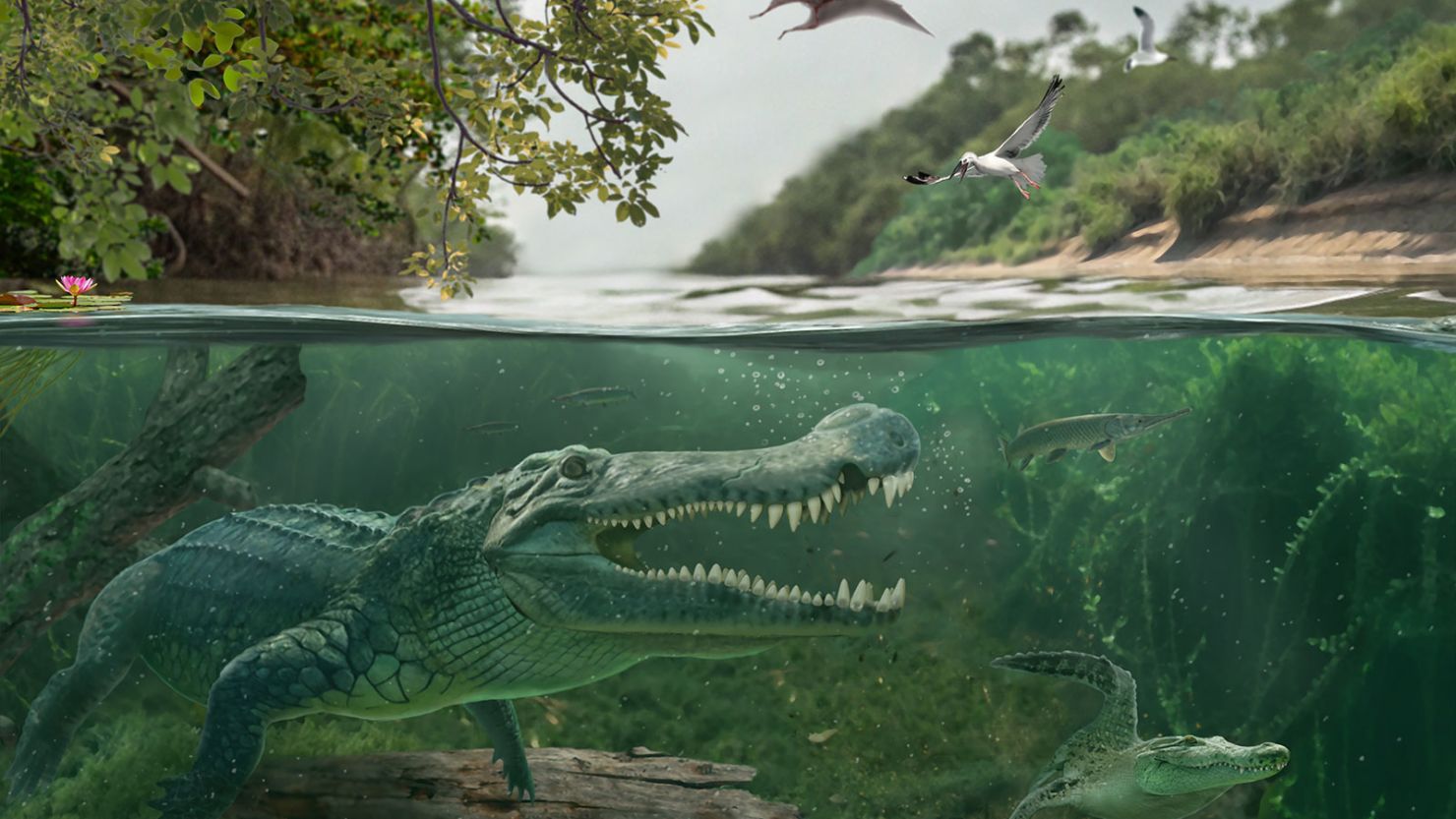
2. Saltwater Crocodiles Are the Largest Aquatic Reptiles

They can grow over 23 feet long and weigh more than 2,200 pounds. Females are much smaller, averaging around 10 feet.

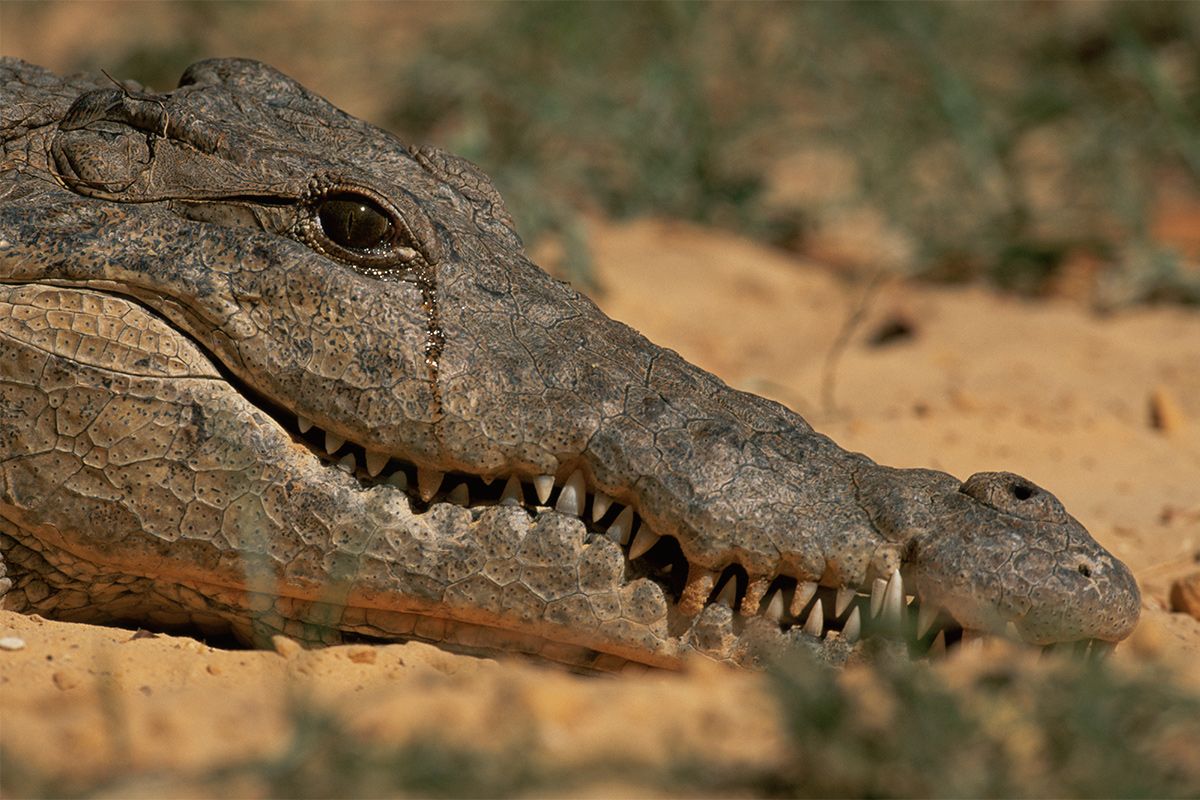
3. “Crocodile Tears” Are Real — But Not Emotional

Crocs produce tears while eating because air forced through their sinuses mixes with tear glands. It’s biology, not sadness.
4. Most Crocodiles Live 30–40 Years

Larger species can reach 60–70 years. One famous croc, Mr. Freshie, lived to 140 years in captivity.

5. They Have the Strongest Bite on Earth

A crocodile’s jaws exert 5,000 PSI — ten times stronger than a great white shark and 50 times stronger than a human.

6. Crocodiles Can Hold Their Breath for an Hour

By slowing their heart rate to 2–3 beats per minute, they conserve oxygen. In cold water, one croc held its breath for eight hours.

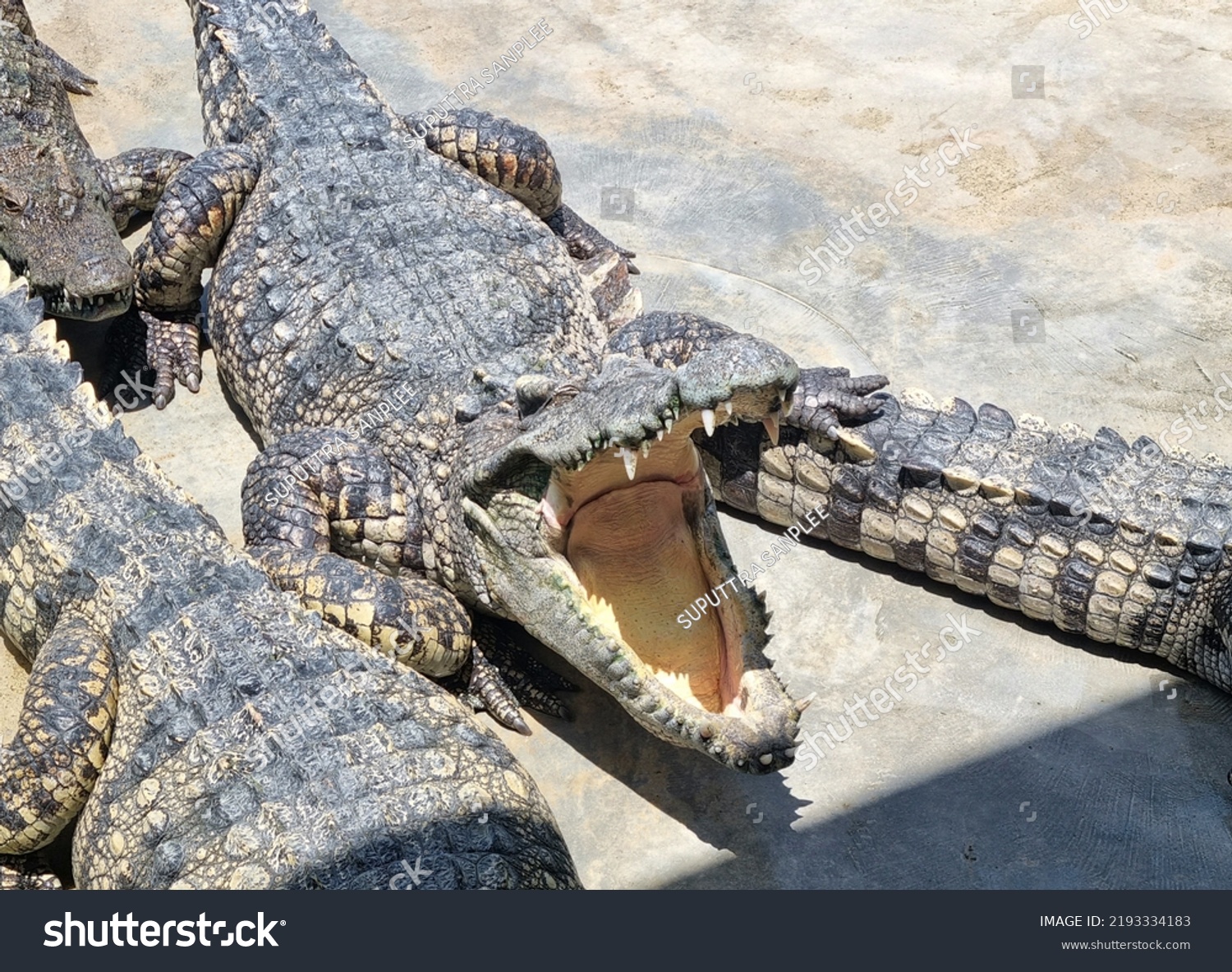
7. They Cool Off by Opening Their Mouths

Crocs don’t sweat. They release heat through their mouths — so that classic “open‑mouth pose” is temperature control, not aggression.
8. Crocodiles Swallow Stones to Digest Food

Called gastroliths, these stones help grind food in the stomach since crocs can’t chew.

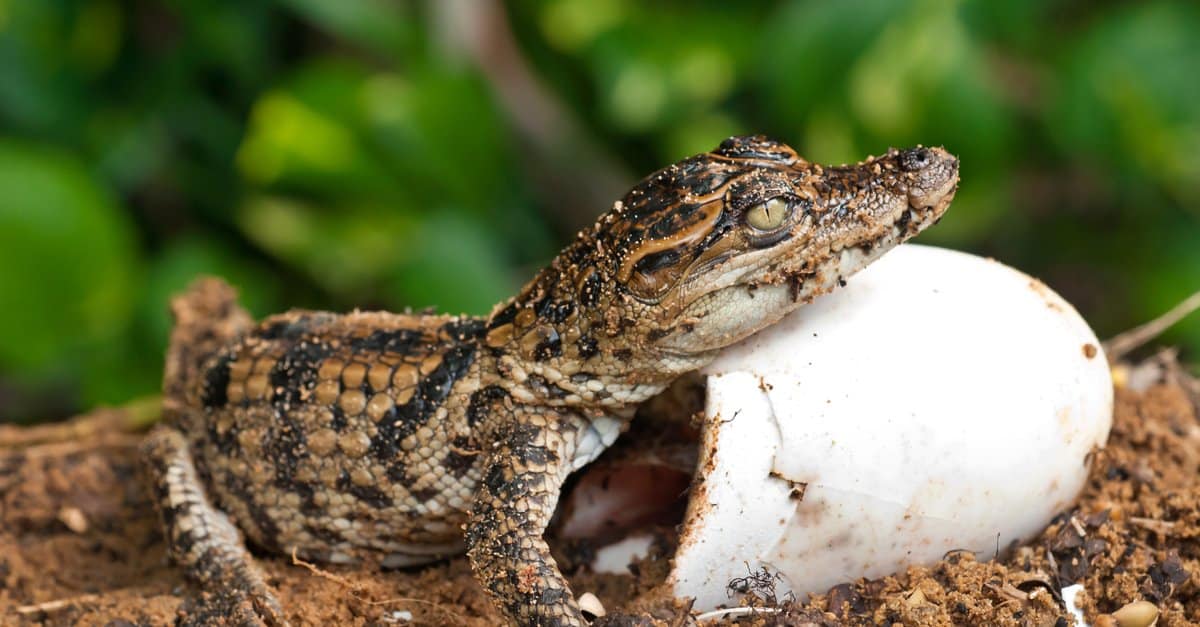
9. Nest Temperature Determines Baby Croc Gender

Below 32°C = females. Above 32°C = males. One nest can produce entirely one gender depending on heat.
10. Their Diet Depends on Size and Habitat

Small crocs eat fish. Large species like saltwater and Nile crocs take down zebra, buffalo, wild boar — even young hippos.

11. Crocodiles Communicate With Over 20 Vocalizations

They grunt, hiss, growl, squeak, and even respond to engines or human‑made croc sounds.

12. Large Crocodiles Can Go a Year Without Eating

Their metabolism is so efficient they can survive long periods by slowing bodily functions and living off stored energy.

13. Crocodile Skin Trade Is Highly Regulated

In the U.S., the Endangered Species Act bans importing most crocodilian skins except American alligator for personal use.

14. Crocodiles Grow Up to 4,000 Teeth in a Lifetime

They have polyphyodont teeth — meaning each tooth can be replaced up to 50 times.

15. Crocodiles Have a Four‑Chambered Heart

This advanced heart design allows them to slow their heartbeat to 1–2 beats per minute underwater.

Bonus: How to Tell a Crocodile From an Alligator

When a croc closes its mouth, all its teeth show.

When an alligator closes its mouth, only the upper teeth show.

And a few more ways:

Holy crap England!

The horrifying moment when a three‑year‑old boy was suddenly grabbed and thrown into a crocodile enclosure at a British zoo is the kind of event that stops time. Families were enjoying an ordinary day out when a mentally unstable stranger, acting without warning or reason, lifted the child and hurled him over the barrier into the pit below. Gasps turned to screams as the boy hit the ground inside the enclosure, surrounded by crocodiles—ancient predators capable of explosive speed and devastating force. The shock of the fall left him crying and disoriented, while the reptiles began to shift toward the unexpected movement. In those first seconds, the situation was as close to catastrophic as any parent could imagine.

What happened next was driven entirely by instinct and courage. A zookeeper — the owner of the zoo — who had been nearby, didn’t hesitate for even a heartbeat. She leapt into the enclosure, and members of her family who were present followed her in, fully aware of the danger they were stepping into. As the crocodiles reacted to the commotion, one managed to clamp its jaws around the child, and the rescuers were suddenly fighting against both time and a predator’s raw power. They threw themselves between the boy and the animals, shouting and striking the ground to distract them while she wrestled the child free from the crocodile’s mouth, prying him loose with a desperation that left no room for fear. Entering a crocodile enclosure is something even trained professionals avoid unless absolutely necessary; a crocodile can lunge faster than a human can react, and one wrong step could have meant disaster. Yet the rescuers moved with a clarity and urgency that defied the chaos around them. Once the boy was freed, they lifted him into their arms and passed him up to safety before climbing out themselves, miraculously unharmed.

The fact that this happened in a British zoo—a place families visit expecting safety, education, and calm—makes the incident even more shocking. This was not a tragic accident or a moment of misjudgment. It was an act of violence committed by a stranger in the grip of severe mental instability, a reminder of how unpredictable and fragile public spaces can be. Zoos are designed to protect visitors from animals, but they cannot always protect them from the actions of other people. The incident raises difficult questions about mental health support, public safety, and how institutions can prepare for events that fall far outside the boundaries of normal risk.

Zookeeper Andrew Johnson and wife Tracey rescued a three-year-old who had been thrown 15ft into the enclosure (Picture: SWNS)

It’s impossible to overstate how close this came to disaster. A few seconds’ hesitation, a single misstep, or a crocodile reacting faster than expected could have changed the outcome entirely. Instead, the boy survived – although with critical injuries, the rescuers survived, and a moment that could have ended in unimaginable grief became a testament to instinctive bravery and the power of human compassion. This incident will undoubtedly spark conversations about safety barriers, visitor supervision, and emergency response protocols, but at its core, it remains a story about people who chose to act when it mattered most. In a world where headlines often focus on division and conflict, this moment stands out as a reminder of the courage that still exists quietly among us—courage that leaps into danger without hesitation when a life hangs in the balance.