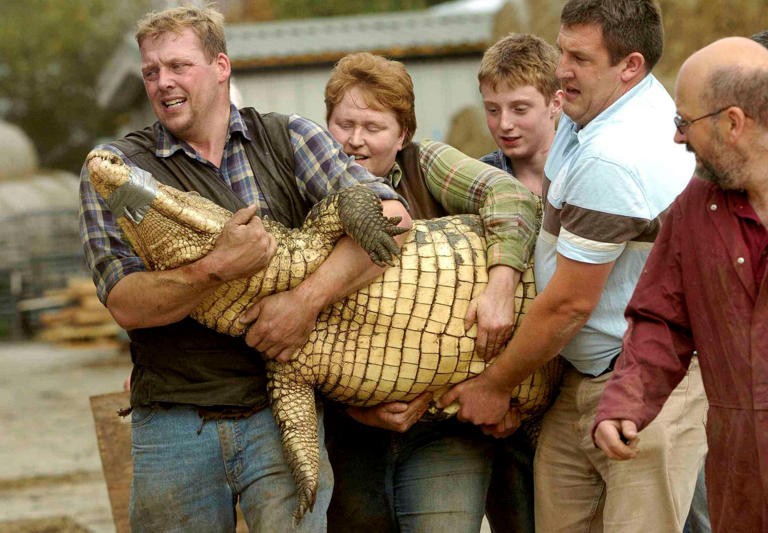
When the world first learned of the horrifying incident at Johnsons of Old Hurst zoo—where a three‑year‑old child was allegedly thrown into a crocodile enclosure—it left many of us shaken. The initial details were almost too painful to comprehend: a toddler suffering multiple traumatic injuries, rushed into emergency surgeries, and a family thrust into unthinkable fear.
Now, months later, the story continues—but in a way that reveals the extraordinary resilience of a child and the unwavering dedication of a family fighting for his recovery.
A Return Home Filled With Small Triumphs
After enduring seven surgeries—including a recent nerve graft—the little boy has finally returned home after two months. His parents described the homecoming with a mixture of relief and tenderness. He is “happy to be home, playing with his toys, sleeping in his own bed and being a big brother.”
Those words carry profound weight. After trauma that affected his arms, neck, head, face, and pelvis, these simple joys mark a tremendous milestone. Being able to play, sleep comfortably, and interact with his family again reflects progress that not even the most advanced medical charts can fully capture.
Learning to Play Again—With His Feet
One of the most inspiring developments comes from the play team at Addenbrooke’s Hospital. Faced with injuries that limited the function in his hands, the team helped him invent new ways to play—teaching him how to use his feet in activities traditionally done with hands.
This adaptive creativity has not only helped him regain a sense of normalcy but has also shown the remarkable capacity children have for learning, adjusting, and finding joy even after trauma. It’s a testament to the skill and compassion of the hospital staff, and to the boy’s determination.
The Long Path of Medical Recovery
The family revealed details about his latest surgery: a nerve graft designed to help restore function to his left hand. Surgeons harvested a nerve from his leg to replace the missing portion in his arm. It will take months before tests can determine whether the graft has fully taken hold.
His parents shared a raw reflection: those first 12 hours—the emergency surgeries, the uncertainty, the forms they signed that included the possibility of resuscitation and even amputation—were the most terrifying moments of their lives. They “were unsure if our son was going to make it,” something no parent should ever have to face.
A Case That Continues to Raise Questions
The zoo reported that they were alerted to social media claims that a child had been thrown into a crocodile enclosure. A 30‑year‑old man from Norfolk was arrested on suspicion of attempted murder but was bailed after being assessed as unfit for interview. Reports indicate he has learning difficulties and had been on a supervised trip with carers. An investigation into his care has been launched.
While many details remain under review, the incident has prompted important questions about supervision, safeguarding, and the systems meant to protect vulnerable individuals—both children and adults with care needs.
A Family Reunited, Focused on Healing
Now that the boy is home, his rehabilitation journey continues daily. His parents attend frequent hospital visits, learning the next steps and working together as a family to support his recovery. With immediate surgeries now behind him, they can focus on rebuilding strength, mobility, and confidence.
The financial burden of long-term medical crisis is immense, and the family expressed deep gratitude for the more than £113,000 raised through a GoFundMe page. Donations have covered essential bills, helped compensate for lost wages, and allowed the parents to stay at their child’s side without compromise.
In an act of generosity—despite their ordeal—the family used part of the funds to donate toys to the pediatric intensive care unit and the hospital’s play team. They also contributed to charities supporting families of hospitalized children. Their gratitude extended specifically to staff who boosted the boy’s spirits, including those who provided superhero costumes to brighten his day during difficult moments.
The Road Ahead
The boy’s story is far from over. The months ahead will be filled with therapy, monitoring, and adaptation. But there is strength in every update the family shares—strength in his small victories, strength in the compassionate community supporting them, and strength in the parents’ unshakable commitment to their son’s recovery.
This follow‑up chapter isn’t defined by trauma alone. It’s defined by resilience, love, and the extraordinary work of medical teams who helped a child relearn how to explore his world—one careful, courageous step at a time.