A Journey of Resilience: How a Little Boy Is Relearning the World After the Crocodile Pit Tragedy

When the world first learned of the horrifying incident at Johnsons of Old Hurst zoo—where a three‑year‑old child was allegedly thrown into a crocodile enclosure—it left many of us shaken. The initial details were almost too painful to comprehend: a toddler suffering multiple traumatic injuries, rushed into emergency surgeries, and a family thrust into unthinkable fear.

Now, months later, the story continues—but in a way that reveals the extraordinary resilience of a child and the unwavering dedication of a family fighting for his recovery.

A Return Home Filled With Small Triumphs

After enduring seven surgeries—including a recent nerve graft—the little boy has finally returned home after two months. His parents described the homecoming with a mixture of relief and tenderness. He is “happy to be home, playing with his toys, sleeping in his own bed and being a big brother.”

Those words carry profound weight. After trauma that affected his arms, neck, head, face, and pelvis, these simple joys mark a tremendous milestone. Being able to play, sleep comfortably, and interact with his family again reflects progress that not even the most advanced medical charts can fully capture.

Learning to Play Again—With His Feet

One of the most inspiring developments comes from the play team at Addenbrooke’s Hospital. Faced with injuries that limited the function in his hands, the team helped him invent new ways to play—teaching him how to use his feet in activities traditionally done with hands.

This adaptive creativity has not only helped him regain a sense of normalcy but has also shown the remarkable capacity children have for learning, adjusting, and finding joy even after trauma. It’s a testament to the skill and compassion of the hospital staff, and to the boy’s determination.

The Long Path of Medical Recovery

The family revealed details about his latest surgery: a nerve graft designed to help restore function to his left hand. Surgeons harvested a nerve from his leg to replace the missing portion in his arm. It will take months before tests can determine whether the graft has fully taken hold.

His parents shared a raw reflection: those first 12 hours—the emergency surgeries, the uncertainty, the forms they signed that included the possibility of resuscitation and even amputation—were the most terrifying moments of their lives. They “were unsure if our son was going to make it,” something no parent should ever have to face.

A Case That Continues to Raise Questions

The zoo reported that they were alerted to social media claims that a child had been thrown into a crocodile enclosure. A 30‑year‑old man from Norfolk was arrested on suspicion of attempted murder but was bailed after being assessed as unfit for interview. Reports indicate he has learning difficulties and had been on a supervised trip with carers. An investigation into his care has been launched.

While many details remain under review, the incident has prompted important questions about supervision, safeguarding, and the systems meant to protect vulnerable individuals—both children and adults with care needs.

A Family Reunited, Focused on Healing

Now that the boy is home, his rehabilitation journey continues daily. His parents attend frequent hospital visits, learning the next steps and working together as a family to support his recovery. With immediate surgeries now behind him, they can focus on rebuilding strength, mobility, and confidence.

The financial burden of long-term medical crisis is immense, and the family expressed deep gratitude for the more than £113,000 raised through a GoFundMe page. Donations have covered essential bills, helped compensate for lost wages, and allowed the parents to stay at their child’s side without compromise.

In an act of generosity—despite their ordeal—the family used part of the funds to donate toys to the pediatric intensive care unit and the hospital’s play team. They also contributed to charities supporting families of hospitalized children. Their gratitude extended specifically to staff who boosted the boy’s spirits, including those who provided superhero costumes to brighten his day during difficult moments.

The Road Ahead

The boy’s story is far from over. The months ahead will be filled with therapy, monitoring, and adaptation. But there is strength in every update the family shares—strength in his small victories, strength in the compassionate community supporting them, and strength in the parents’ unshakable commitment to their son’s recovery.

This follow‑up chapter isn’t defined by trauma alone. It’s defined by resilience, love, and the extraordinary work of medical teams who helped a child relearn how to explore his world—one careful, courageous step at a time.

The Day Kindness Knocked: What My Daughter’s Stuffed Rabbit Started

I ran across this story online recently, and while I haven’t been able to independently verify its legitimacy, something about it stayed with me. The details, the emotion, and the quiet humanity woven through it felt worth sharing. Whether fully true, embellished, or a dramatization inspired by real events, the heart of the story carries a kind of tenderness that’s rare to stumble upon. What follows is the version I encountered—moving, uncertain, and full of the kind of small, ordinary miracles that make us stop and reconsider the world around us.

━⋅•⋅⊰∙∘☽༓☾∘∙⊱⋅•⋅━

You don’t expect a moment of small kindness to rearrange your entire life. You don’t expect it to echo beyond a waiting room or become the thread connecting two families who never knew the other existed. But sometimes the smallest gesture — a child handing over a stuffed rabbit — is the thing that opens every door that was meant to be opened.

It began the day Mabel gave away Mr. Bunny.

She was seven. They were at the hospital for a routine checkup. And by the time the nurse called her name, Mr. Bunny — her constant companion since toddlerhood — was tucked firmly into the arms of another little girl sitting across the waiting room. A quiet girl with pale skin and dark circles under her eyes. A girl who looked like she had forgotten how to hold anything soft.

That girl was Nikki.

Mabel’s mom didn’t know her story then. She didn’t know her father. She didn’t know anything except the look on her own daughter’s face as she walked out of that waiting room empty‑armed and steady‑hearted.

“She needed him more, Mama,” she whispered on the ride home.

Her voice was so calm, so sure, that it stopped me. Inside her daughter was something I didn’t recognize yet but would come to rely on: a grace that arrived before understanding.

She didn’t know yet that something much larger had begun to move toward their door.

The Knock

Two days later, Mabel’s mom was folding laundry when the world outside went still. A long black limousine eased to a stop in front of their building — gleaming, impossible, out of place against the cracked sidewalk.

There are moments when your instincts outrun your thoughts. She went to the door before anyone could knock, but the man in the black suit knocked anyway. Three firm raps.

His eyes were tired, glistening. “Ma’am, I need to see your daughter. It’s urgent.”

She stepped into the hallway, pulling the door almost shut behind me. “Do you understand how that sounds to a single mother?”

He nodded, swallowing. “My name is Roger. My daughter is Nikki.”

The girl with the rabbit.

She did not invite him in. He gave her his license, his card, and a phone number for Dr. Patel — pediatric oncology. “Call her,” he said. “Not from out here. From inside your home, with the door locked. I’ll wait.”

Part of her refused to accept any of this as real. But something trembling beneath his formality — a man stretched past exhaustion — made her pause.

She called the hospital’s main line instead of the number he gave. When Dr. Patel picked up, her voice was clipped but warm.

“That’s Roger,” she said. “He’s been here every day for eight months. He hasn’t slept since Christmas. Whatever he’s asking you for… he’s her father. And he’s desperate. The rest is your call.”

Suddenly the limo made sense.

Desperation comes dressed in whatever someone can reach. A suit. A business card. A terrible idea. A father who has run out of ways to save his child.

She turned the deadbolt and told Mabel to get her coat.

The Visit

The limo felt less like a vehicle and more like a confessional. Roger sat across from us, fingers interlocked so tightly they looked like they might break.

He told us everything — or, as he said, “the beginning.”

Nikki had been sick for over a year. Her mother had died of the same illness. Nikki had stopped talking. Stopped eating. Stopped letting the nurses help her. Until Mabel handed her Mr. Bunny.

“She held it all night,” Roger whispered. “She said she wanted to be brave. Like the little girl with the kind eyes.”

They arrived at a private wing of the hospital, floors gleaming like glass. A nurse was already waiting. Inside, Nikki lay against white pillows, small and fragile, Mr. Bunny tucked beneath her arm.

When she saw Mabel, something lit up inside her — something you don’t see often on a pediatric oncology floor.

“You came,” Nikki whispered.

Mabel moved toward her as though pulled by gravity.

Their voices lowered into whispers I couldn’t hear. Their foreheads nearly touched. It was as though they had always known each other, and were simply resuming a conversation they started long before.

The Truth

In the hallway, Roger told Mabel’s mom the rest.

His wife had been a bone marrow donor.

After she died, the hospital notified him that her donation had saved the life of a child treated there years earlier.

He didn’t know who.

Until he saw Mabel give Nikki that rabbit, and Nikki smiled — truly smiled — for the first time in weeks.

“That’s when I wondered,” he said, his voice fraying. “When she walked up to Nikki so gently… I thought, what if the child my wife saved was already standing in front of us?”

Her knees went weak.

“Mabel was treated at this hospital when she was four,” he said. “Wasn’t she?”

She was.

And for the first time, she understood why the world had shifted around us so strangely.

Roger looked toward the room where their daughters were laughing. “My wife was Mabel’s donor.”

The woman who saved her daughter’s life had left behind a daughter of her own — and that daughter was now fighting for hers.

Aftermath

Days later, the tests came back.

Mabel was not a match.

The news broke something inside her she hadn’t realized she had been holding in place. She cried in the parking lot, gripping the steering wheel until her palms ached.

But Roger did not quit.

He launched a donor drive in his wife’s name. Mabel’s mom stood beside him at every event, Mabel at her side holding a sign she decorated herself in marker and glitter. Weeks later, a stranger across the country matched Nikki.

And Nikki got better.

She came home.

The two girls became inseparable — trading Mr. Bunny between sleepovers like a tiny, worn crown. They grew into a kind of friendship that didn’t require understanding the past, only living into the future.

One night she watched them on the rug, laughing over something only children understand, the rabbit propped between them like a witness.

And she realized something she had carried alone:

Kindness had been moving quietly between their families long before any of them knew the others existed.

A donation.
A recovery.
A rabbit.
A smile.
A knock on the door.
Two little girls becoming who they were meant to be.

Sometimes the smallest act holds open a door that was supposed to open.
Sometimes the smallest child becomes the one who leads you through it.

Does Your Cat Think You’re Their Mom? Ten Adorable Clues Your Feline Is Basically Your Tiny, Furry Shadow

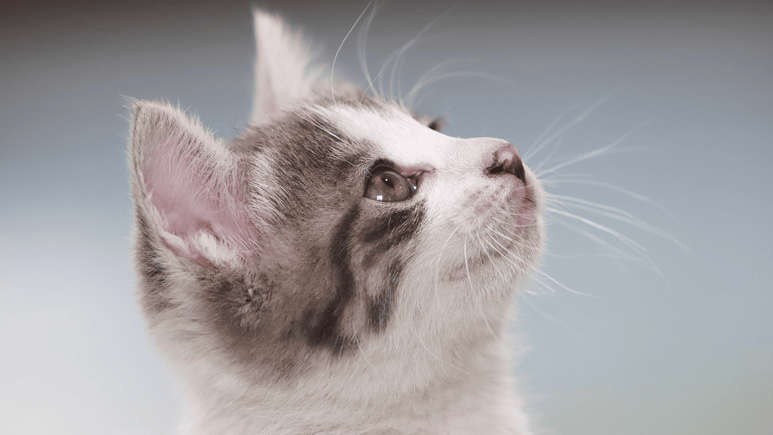
If you’ve ever wondered whether your cat sees you as a glorified staff member or something vaguely resembling a parent, good news: the answer might be both. Cats pride themselves on being independent, mysterious little creatures… and yet they often latch onto one human with the emotional gusto of a toddler clutching their favorite blanket.

Animal behavior specialists say this attachment isn’t literal “my-human-is-my-mother” thinking—your cat knows you didn’t give birth to them (mostly because you don’t have fur and you’re terrible at mouse hunting). But their instincts can lead them to treat you like the trusted figure who keeps them safe, fed, warm, and adored.

Here are ten hilariously sweet behaviors that reveal your cat sees you as their safe place, emotional anchor, and possibly their personal butler.

  1. They follow you from room to room
    If your cat tracks your movement like a tiny detective with nothing better to do, congratulations—your furry friend feels safest when you’re around. Just like kittens stick close to mom for security, your cat may pad behind you simply because you are their personal comfort zone. Don’t be fooled: they’re not “checking on you.” You are being supervised.
  2. They knead with their paws
    Kneading is one part nostalgia, one part affection, and one part “I’m about to get way too comfortable on your lap so don’t move.” Adult cats knead when they feel calm and secure, echoing their kittenhood milk‑making technique. It’s the feline version of a warm hug… with claws.
  3. They bring you gifts
    Nothing says “you’re family” like a cat proudly presenting you with a toy, a leaf, or—if they’re feeling ambitious—a slightly horrifying outdoor discovery. While you may wish they’d choose chocolate instead, this instinct is rooted in care. Mother cats bring kittens prey to teach them hunting. Your cat is just trying to help. Or show off. Or both.
  4. They meow frequently at you
    Cats do not meow at each other. They reserve this language exclusively for humans, like you’re the only one who understands their dramatic monologues. Frequent meowing is a sign your cat wants attention, reassurance, or maybe a third dinner. Either way, you’re the chosen human.
  5. They sleep close to you
    Sleep is vulnerability. So when your cat curls up against you, they’re basically saying, “I trust you not to betray me during REM.” Whether they sleep on your pillow, at your feet, or glued directly to your spine, it’s affection in its purest form.
  6. They rub their head against you
    This isn’t just affection—it’s a scent‑claiming ritual. When your cat head-butts you, they’re marking you as “mine.” Consider yourself officially owned.
  7. They groom you occasionally
    A sudden lick to the hand or hair is not random—it’s social grooming. Cats groom those they consider part of their inner circle. Your cat thinks you’re important enough to keep clean. Cherish this slightly soggy honor.
  8. They look at you with slow blinks
    The slow blink is the feline “I feel completely safe with you.” It’s soft, sweet, and subtle. Experts even call it the “cat smile.” Try slowly blinking back—you might just start an entire blink‑versation.
  9. They greet you at the door
    If you come home to a cat waiting like you’re a returning hero from battle, that’s love—and routine. Cats notice your absence and anticipate your return, whether with a meow, a head bump, or judgment that you were gone too long.
  10. They seek comfort when stressed
    Storms, loud noises, mysterious household shadows—they all send a worried cat searching for safety. If your lap, your arms, or your general presence becomes their refuge, you are officially their security blanket.

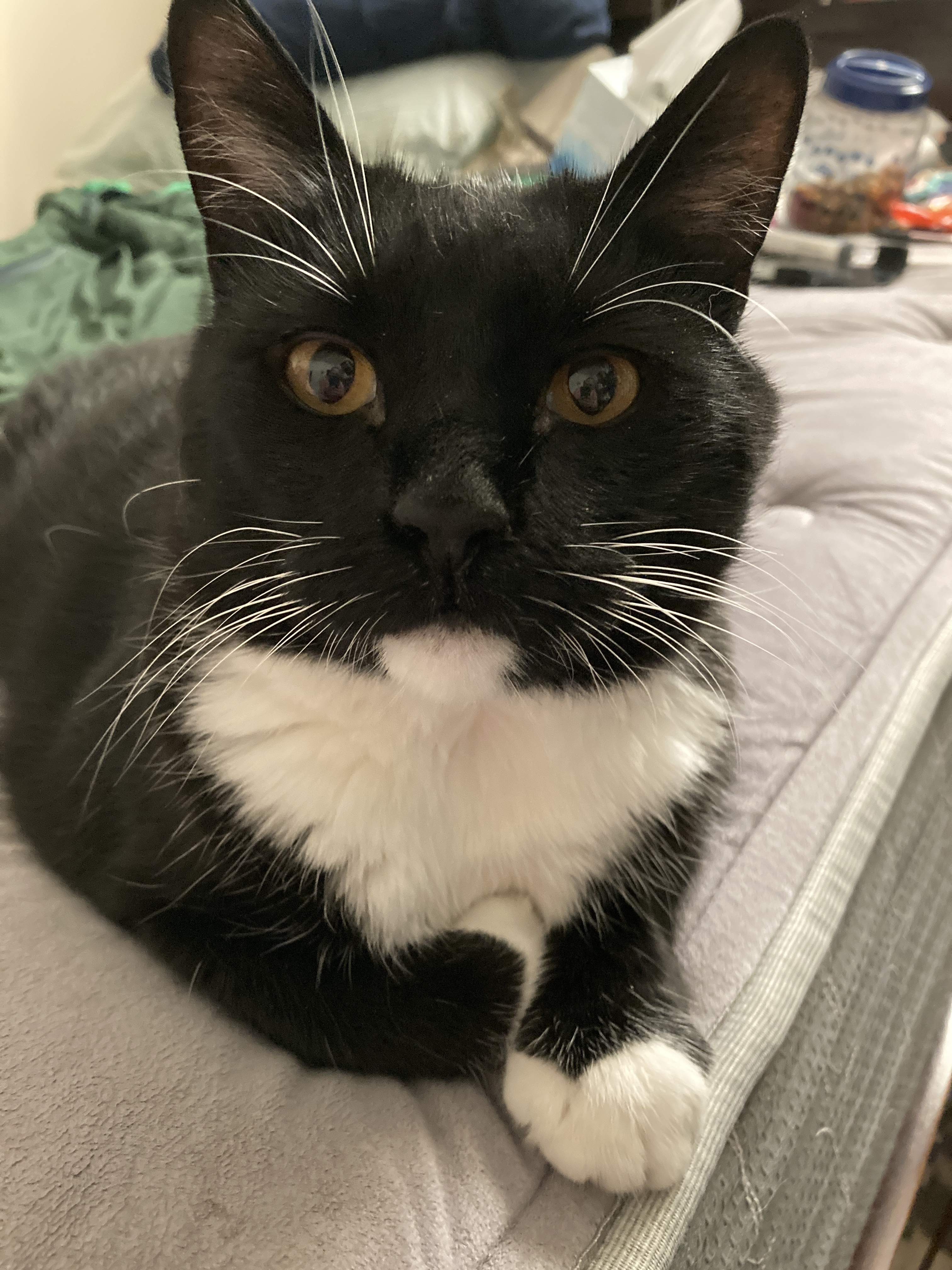
My Georgie does numbers 1, 2, and 4 all the dang time—like it’s his full‑time job—and he’ll sprinkle in 5, 6, and 9 whenever he’s feeling extra affectionate or dramatic. So that’s 6 out of 10 on the “My Human Is My Mom” scale, which, honestly, is pretty impressive. I feel blessed to have my little rescue kitty, and even more blessed that he wants attention constantly. There’s nothing like being adored by a furry shadow who thinks you’re the center of the universe.

Georgie

Cats might be cryptic, aloof, and occasionally chaotic, but their affection—when it’s given—is real, loyal, and deeply instinctive. When your feline does these things, they’re not just being cute. They’re saying, “You’re my safe place.”

And honestly? There’s no higher honor.

15 Fascinating Crocodile Facts You Probably Didn’t Know

Okay, we’ve all heard a lot about crocodiles lately — from shocking news stories to unbelievable discoveries — so I figured it was the perfect time to pull together some truly fascinating crocodile factoids. These creatures have been around since the age of dinosaurs, and the more you learn about them, the more incredible (and intimidating) they become.

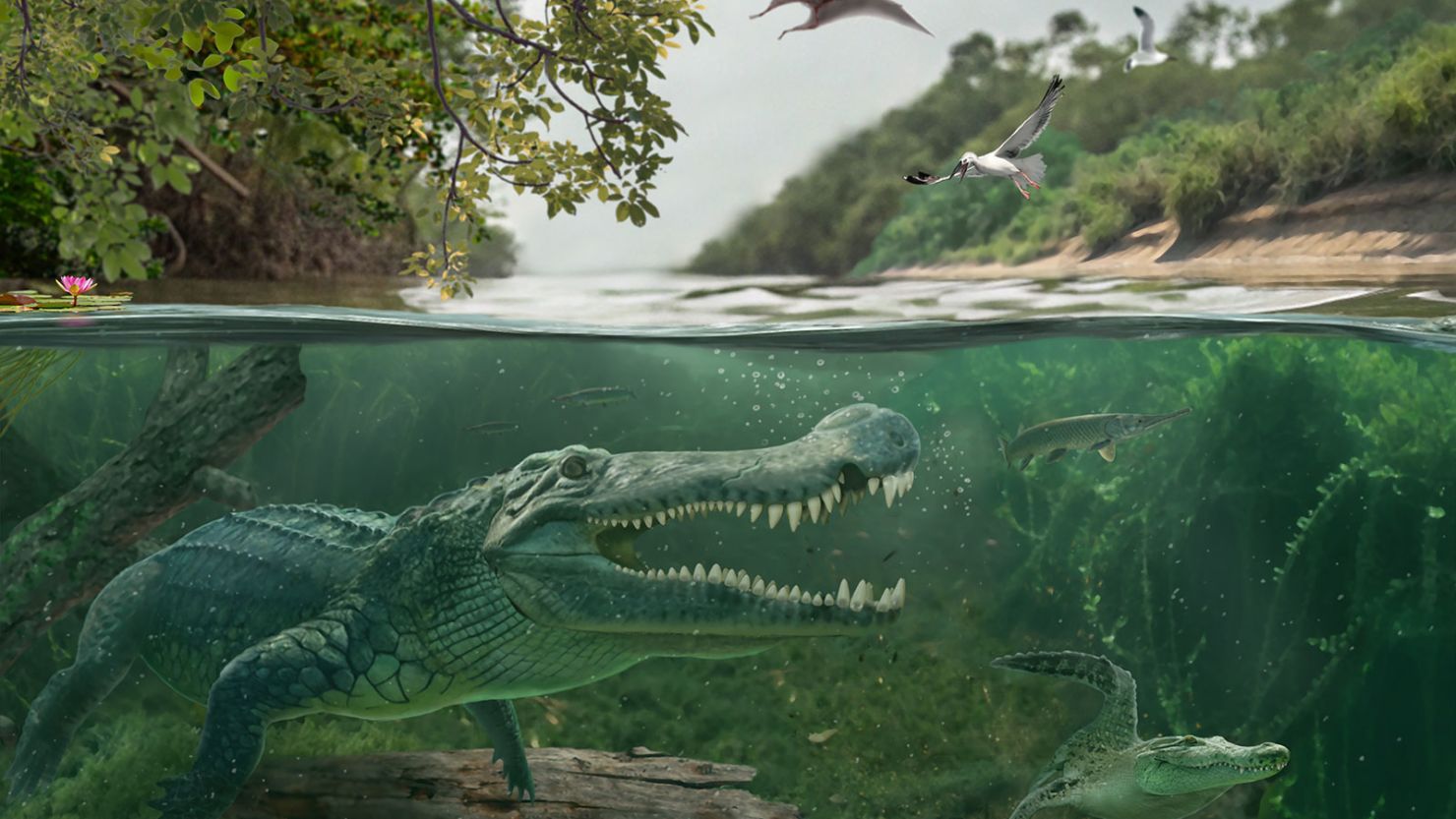
During the Cretaceous period, around 240 million years ago, dinosaurs roamed the Earth alongside early crocodiles. These ancient reptiles are remarkable survivors, believed to have lived through the asteroid impact that wiped out the dinosaurs. With that kind of evolutionary résumé, it’s no wonder they’re still dominating headlines today.

Let’s dive into 15 surprising crocodile facts you probably didn’t know.

1. Crocodiles Are Living Dinosaurs

Crocodiles have existed for over 240 million years, surviving mass extinctions and dramatic climate shifts.

2. Saltwater Crocodiles Are the Largest Aquatic Reptiles

They can grow over 23 feet long and weigh more than 2,200 pounds. Females are much smaller, averaging around 10 feet.

3. “Crocodile Tears” Are Real — But Not Emotional

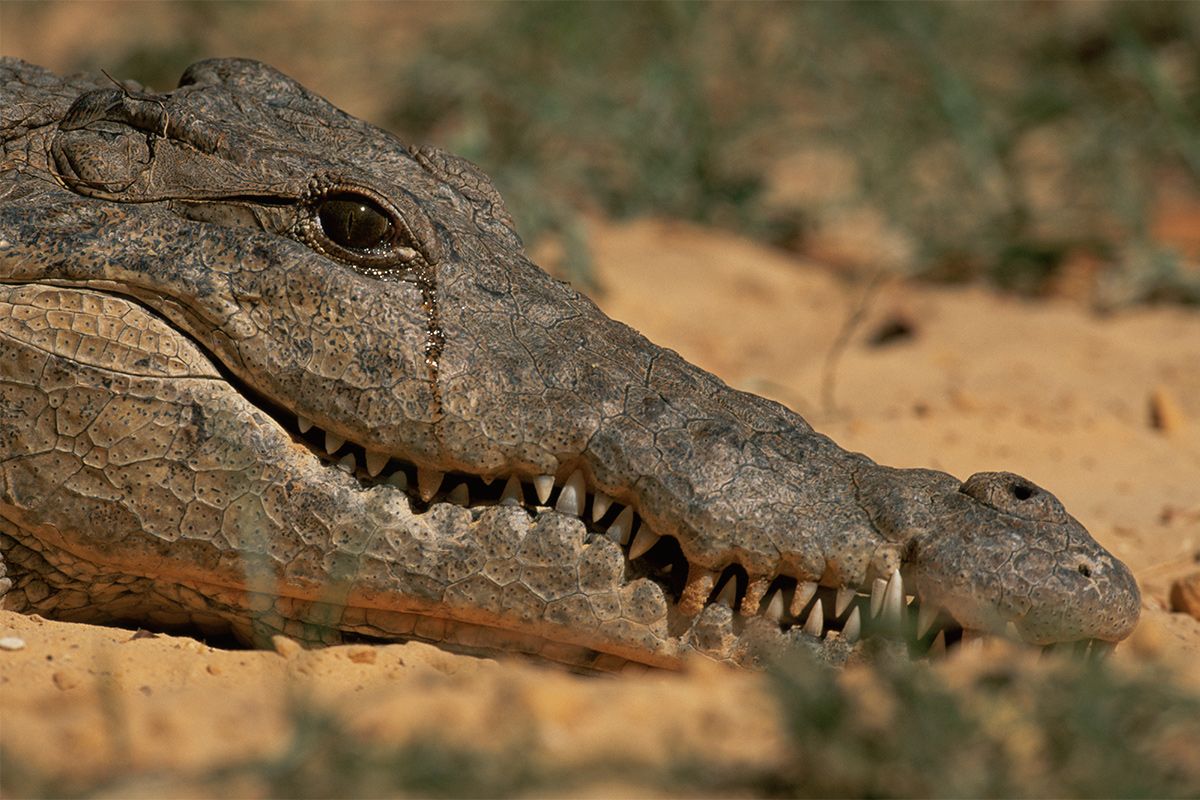
Crocs produce tears while eating because air forced through their sinuses mixes with tear glands. It’s biology, not sadness.

4. Most Crocodiles Live 30–40 Years

Larger species can reach 60–70 years. One famous croc, Mr. Freshie, lived to 140 years in captivity.

5. They Have the Strongest Bite on Earth

A crocodile’s jaws exert 5,000 PSI — ten times stronger than a great white shark and 50 times stronger than a human.

6. Crocodiles Can Hold Their Breath for an Hour

By slowing their heart rate to 2–3 beats per minute, they conserve oxygen. In cold water, one croc held its breath for eight hours.

7. They Cool Off by Opening Their Mouths

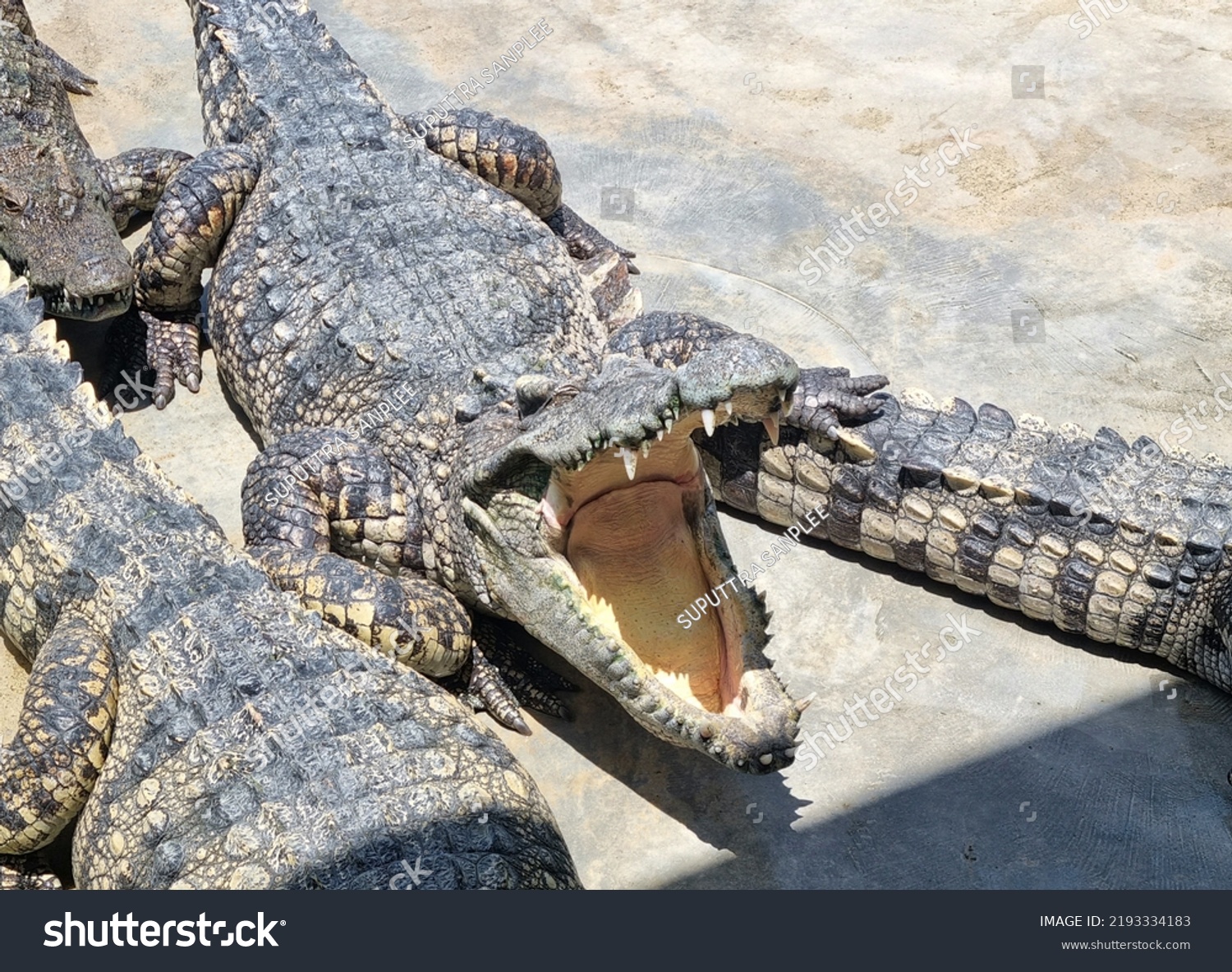
Crocs don’t sweat. They release heat through their mouths — so that classic “open‑mouth pose” is temperature control, not aggression.

8. Crocodiles Swallow Stones to Digest Food

Called gastroliths, these stones help grind food in the stomach since crocs can’t chew.

9. Nest Temperature Determines Baby Croc Gender

Below 32°C = females. Above 32°C = males. One nest can produce entirely one gender depending on heat.

10. Their Diet Depends on Size and Habitat

Small crocs eat fish. Large species like saltwater and Nile crocs take down zebra, buffalo, wild boar — even young hippos.

11. Crocodiles Communicate With Over 20 Vocalizations

They grunt, hiss, growl, squeak, and even respond to engines or human‑made croc sounds.

12. Large Crocodiles Can Go a Year Without Eating

Their metabolism is so efficient they can survive long periods by slowing bodily functions and living off stored energy.

13. Crocodile Skin Trade Is Highly Regulated

In the U.S., the Endangered Species Act bans importing most crocodilian skins except American alligator for personal use.

14. Crocodiles Grow Up to 4,000 Teeth in a Lifetime

They have polyphyodont teeth — meaning each tooth can be replaced up to 50 times.

15. Crocodiles Have a Four‑Chambered Heart

This advanced heart design allows them to slow their heartbeat to 1–2 beats per minute underwater.

Bonus: How to Tell a Crocodile From an Alligator

When a croc closes its mouth, all its teeth show.

When an alligator closes its mouth, only the upper teeth show.

And a few more ways:

Holy crap England!

The horrifying moment when a three‑year‑old boy was suddenly grabbed and thrown into a crocodile enclosure at a British zoo is the kind of event that stops time. Families were enjoying an ordinary day out when a mentally unstable stranger, acting without warning or reason, lifted the child and hurled him over the barrier into the pit below. Gasps turned to screams as the boy hit the ground inside the enclosure, surrounded by crocodiles—ancient predators capable of explosive speed and devastating force. The shock of the fall left him crying and disoriented, while the reptiles began to shift toward the unexpected movement. In those first seconds, the situation was as close to catastrophic as any parent could imagine.

What happened next was driven entirely by instinct and courage. A zookeeper — the owner of the zoo — who had been nearby, didn’t hesitate for even a heartbeat. She leapt into the enclosure, and members of her family who were present followed her in, fully aware of the danger they were stepping into. As the crocodiles reacted to the commotion, one managed to clamp its jaws around the child, and the rescuers were suddenly fighting against both time and a predator’s raw power. They threw themselves between the boy and the animals, shouting and striking the ground to distract them while she wrestled the child free from the crocodile’s mouth, prying him loose with a desperation that left no room for fear. Entering a crocodile enclosure is something even trained professionals avoid unless absolutely necessary; a crocodile can lunge faster than a human can react, and one wrong step could have meant disaster. Yet the rescuers moved with a clarity and urgency that defied the chaos around them. Once the boy was freed, they lifted him into their arms and passed him up to safety before climbing out themselves, miraculously unharmed.

The fact that this happened in a British zoo—a place families visit expecting safety, education, and calm—makes the incident even more shocking. This was not a tragic accident or a moment of misjudgment. It was an act of violence committed by a stranger in the grip of severe mental instability, a reminder of how unpredictable and fragile public spaces can be. Zoos are designed to protect visitors from animals, but they cannot always protect them from the actions of other people. The incident raises difficult questions about mental health support, public safety, and how institutions can prepare for events that fall far outside the boundaries of normal risk.

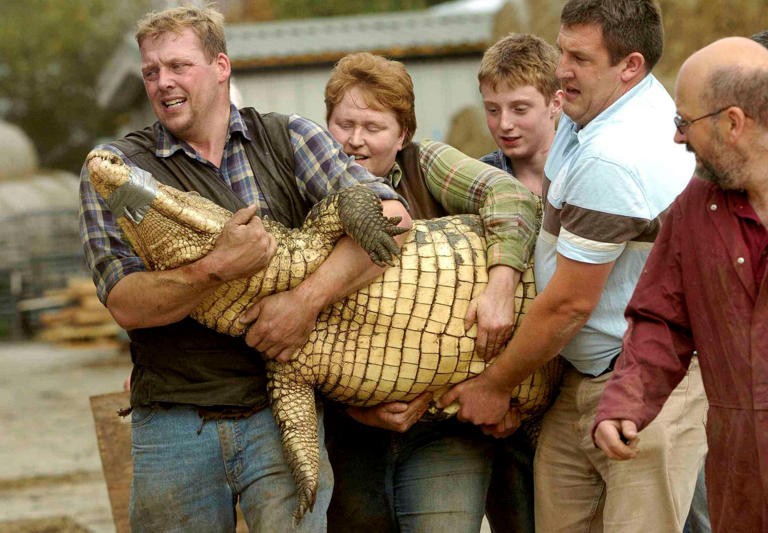
Zookeeper Andrew Johnson and wife Tracey rescued a three-year-old who had been thrown 15ft into the enclosure (Picture: SWNS)

It’s impossible to overstate how close this came to disaster. A few seconds’ hesitation, a single misstep, or a crocodile reacting faster than expected could have changed the outcome entirely. Instead, the boy survived – although with critical injuries, the rescuers survived, and a moment that could have ended in unimaginable grief became a testament to instinctive bravery and the power of human compassion. This incident will undoubtedly spark conversations about safety barriers, visitor supervision, and emergency response protocols, but at its core, it remains a story about people who chose to act when it mattered most. In a world where headlines often focus on division and conflict, this moment stands out as a reminder of the courage that still exists quietly among us—courage that leaps into danger without hesitation when a life hangs in the balance.